
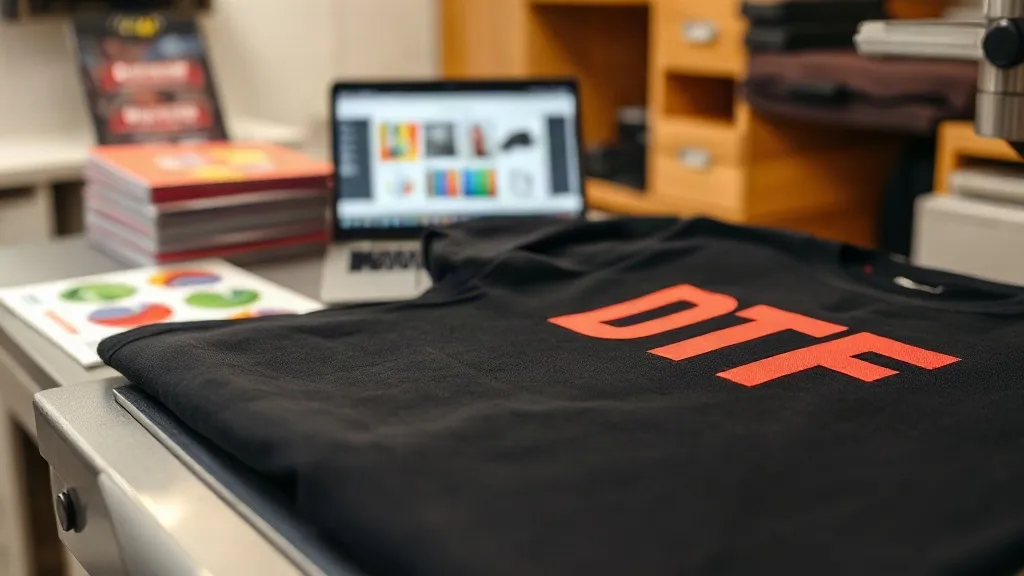
When you run a small apparel business, the quality of your dtf transfers can make or break your reputation. I learned this the hard way after a batch of transfers from a budget supplier started peeling after the first wash. Customers complained, replacements ate my margin, and I spent weeks rebuilding trust. That experience taught me that choosing the right supplier is just as important as mastering the dtf printing process itself.
In this guide, I'll share what I wish I'd known when I started sourcing transfers. We'll cover the key factors that separate a reliable supplier from a fly-by-night operation, how to test before you commit, and how to build a long-term partnership that keeps your shop profitable.
Why Your Supplier Matters More Than You Think
DTF printing has democratized custom apparel. With a decent printer and some practice, almost anyone can produce vibrant, full-color designs on demand. But not all transfers are created equal. The difference between a good and a bad supplier often shows up weeks later, after the customer has worn and washed the shirt a few times.
Poor-quality transfers can suffer from:
- Inconsistent color from batch to batch, making reorders look different from the original run.
- Adhesion failures where the film lifts at the edges or peels off entirely.
- Excessive hand feel that makes the print stiff and uncomfortable.
- Premature fading after just a few washes.
Any of these issues leads to returns, bad reviews, and lost customers. And when you're competing with big brands, you can't afford that kind of damage. A reliable supplier eliminates these risks so you can focus on growing your business.
Key Factors to Evaluate in a DTF Transfers Supplier
Before you place a large order, put potential suppliers through a thorough vetting process. Here's what to look for:
1. Print Quality and Consistency
Ask for samples. Not just one, but several from different production runs. Check for sharp details, accurate color reproduction, and smooth gradients. Look at the white ink layer: it should be opaque enough to show up on dark shirts without being too thick. Consistency is crucial; if the samples vary wildly, that's a red flag.
2. Material Quality
The film and powder used in DTF transfers directly affect durability and hand feel. A good supplier uses quality PET film and hot-melt adhesive powder that cures properly. Cheap materials may save a few cents per transfer but cost you more in the long run. Ask about the brand of film and powder they use, and whether they follow proper curing protocols.
3. Turnaround Time and Reliability
In the print-on-demand world, speed matters. But fast shipping means nothing if orders arrive late or incomplete. Look for suppliers who consistently meet their stated turnaround times. Read reviews and ask other shop owners about their experiences. A supplier who communicates proactively about delays is far better than one who goes silent.
4. Pricing and Minimums
Price is important, but don't sacrifice quality for a few cents. Compare the cost per transfer, including shipping. Also consider minimum order quantities. Some suppliers cater to small shops with low minimums, while others require bulk orders. Find one that aligns with your production volume and growth plans.
5. Customer Service and Technical Support
Even the best suppliers occasionally have issues. What matters is how they handle them. Test their responsiveness before you buy: send an email or call with a question. Do they answer promptly and knowledgeably? A supplier who understands DTF printing can help you troubleshoot problems and improve your results.
How to Test a New Supplier Without Risking Your Reputation
Never commit to a large order from an untested supplier. Instead, follow this step-by-step approach:
- Order a small sample pack. Many suppliers offer sample packs with a variety of designs. Use these to evaluate print quality and color accuracy.
- Run wash tests. Apply the transfers to a few shirts (using your standard heat press settings) and wash them multiple times. Check for cracking, peeling, and fading.
- Compare against your current supplier. If you already have a supplier, do a side-by-side comparison. Look at detail, color vibrancy, and hand feel.
- Check consistency with a second order. Order the same design again after a few weeks. Compare the new batch to the first. Consistency is key.
- Evaluate packaging and shipping. Transfers should arrive flat and protected from moisture and heat. Poor packaging can ruin an otherwise good product.
Only after passing these tests should you consider placing a larger order. And even then, start with a moderate quantity to confirm that the quality holds up at scale.
Red Flags to Watch Out For
Some warning signs should make you walk away immediately:
- No physical address or contact information. Legitimate businesses are transparent about who they are and where they operate.
- Prices that seem too good to be true. Quality materials and labor cost money. Extremely low prices often mean cut corners.
- No samples or a reluctance to provide them. A confident supplier stands behind their product.
- Poor communication. If they're slow to respond before you buy, imagine how they'll be after they have your money.
- No clear return or refund policy. You need protection if something goes wrong.
Building a Long-Term Partnership
Once you find a reliable supplier, treat it as a partnership. Communicate openly about your needs and feedback. Pay on time. Many suppliers offer better pricing and priority service to loyal customers. And if you're looking for dtf transfers near me, consider whether a local supplier might offer faster turnaround and easier communication, even if the price is slightly higher.
Also, keep an eye on your supplier's capacity. As your business grows, you need a supplier who can scale with you. Ask about their production capacity and whether they can handle larger orders without sacrificing quality or speed.
Frequently Asked Questions
How do I know if a DTF transfers supplier is reputable?
Check for a physical address, read reviews from other shop owners, and ask for samples. A reputable supplier will be transparent about their materials, processes, and turnaround times. Don't be afraid to ask for references.
What's the typical turnaround time for custom DTF transfers?
Turnaround varies by supplier and order size. Many reputable suppliers ship within 3-5 business days for standard orders, while rush options may be available at an extra cost. Always confirm before ordering.
Can I use a local supplier for DTF transfers near me?
Yes, local suppliers can be a great option if you need faster turnaround or prefer to support local businesses. They may also offer pick-up options and easier communication. Just ensure they meet your quality standards.
How should I store DTF transfers to maintain quality?
Store transfers in a cool, dry place away from direct sunlight. Keep them flat and protected from moisture. Avoid stacking heavy objects on top, as this can damage the film. Proper storage can extend shelf life for several months.
What should I do if I receive a defective batch of transfers?
Contact the supplier immediately with photos and details. A good supplier will replace the defective items or issue a refund. If they don't, it's a sign to find a new supplier.