
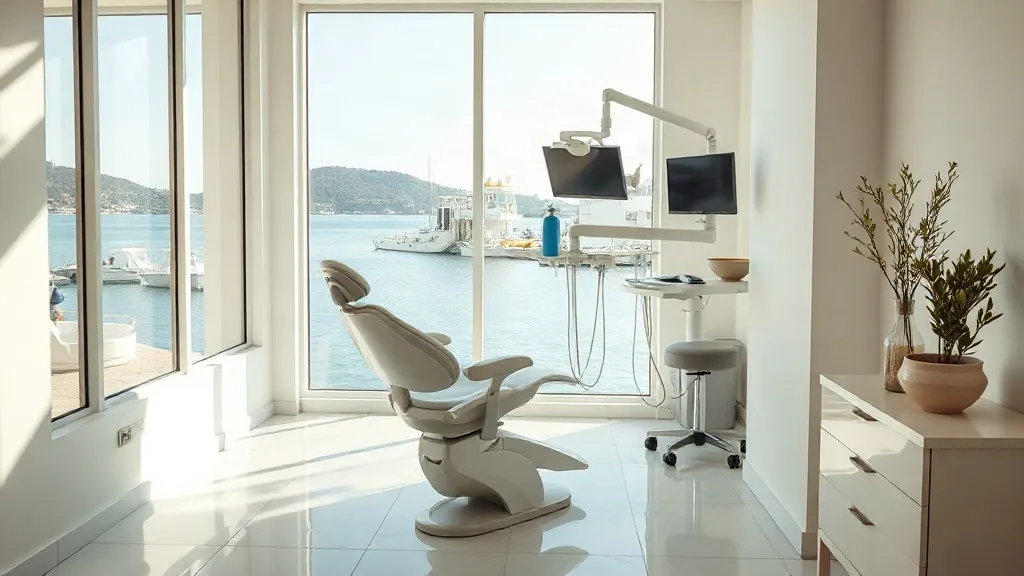
You are sitting on a sun lounger in Gumbet, the sea is a shade of blue that looks edited, and somewhere in the back of your mind is the tooth that has been bothering you for months at home. It is a surprisingly common scenario. Every summer, thousands of visitors to the Bodrum peninsula find themselves weighing a short, well-priced dental appointment abroad against a long wait and a bigger bill back home. The question is not really whether a gumbet dentist exists, because there is a cluster of clinics serving the resort and the wider peninsula. The real question is how to tell a genuinely good one from a clinic that simply has a nice website and a fast airport transfer.
This guide is written for travellers, expats and second-home owners who want a clear-headed view of dental care around Gumbet and Bitez. No miracle claims, no prices invented for effect. Just the practical detail you need to make a decision you can live with.
Why Gumbet and Bitez Attract Dental Travellers
Bodrum has a long tourism season, an international airport less than an hour away and a mature hospitality industry. Dental clinics here grew out of the same ecosystem that supports hotels, marinas and restaurants, and many of them are used to treating British, Irish and Northern European patients who arrive with a treatment plan already sketched out.
Gumbet is the livelier of the two resorts. It is a short dolmus ride from Bodrum centre, packed with bars and beach clubs, and convenient if you want to combine appointments with a holiday that has some energy to it. Bitez, a few kilometres west, is quieter, greener and known for its long bay and citrus groves. A bitez dentist clinic tends to sit in a calmer setting, which suits anyone booking a longer course of treatment or travelling with family.
The practical point is that both resorts sit inside the same local healthcare infrastructure. Labs, pharmacies, hospitals and specialist referrals all operate across the peninsula, so the choice between Gumbet and Bitez is usually about atmosphere and logistics rather than wildly different standards of care.
What a Good Consultation Should Look Like
Before any drill touches your mouth, a reputable clinic should take time with diagnostics. In Turkey this normally means a panoramic X-ray, and often a 3D scan for implant work, both of which are fast and inexpensive compared with UK private rates. A thorough first appointment should include a written treatment plan that names each tooth, each procedure and each material.
Questions to ask at the first visit
- Who will perform the treatment, and what are their qualifications?
- Is the quoted price fixed, or can it change once treatment begins?
- What happens if a crown or implant needs revision after you fly home?
- Which laboratory makes the crowns, and how long does turnaround take?
- Is the clinic able to provide records and X-rays for your dentist at home?
A clinic that answers these clearly, without rushing, is already ahead of the field. Vague answers about guarantees or a refusal to put the plan in writing are your cue to walk away, however attractive the price.
Treatments Commonly Booked on a Holiday
Most dental travellers fall into one of three groups. The first wants a scale and polish, a filling or two, and a whitening session squeezed into a week by the pool. The second is chasing a bigger job, typically implants or a full smile makeover, and needs a longer stay or two trips. The third is dealing with something urgent, such as a broken crown or an infected tooth that flared up mid-holiday.
For the first group, a single week is usually enough. Crowns and bridges need lab time, often five to seven working days, so a two-week stay gives more breathing room. Implant treatment is more complex and typically involves a healing period of several months between placement and the final crown, which means at least two visits to the peninsula. Any clinic promising a permanent implant in three days is either simplifying the process or selling something different from what you think you are buying.
What about urgent problems?
If you are in pain, call ahead rather than walking in. Most clinics hold slots for urgent cases during the season, and a phone call in English usually gets you seen the same day. Keep your passport and any travel insurance details with you, and ask for a receipt and treatment report for your insurer.
How to Compare Clinics Without Getting Lost
Search results for dental care in this part of Turkey are crowded, and almost every clinic claims to be the best. A more useful filter is to check the things that are hard to fake.
- Look for named clinicians with visible credentials, not just stock photos and slogans.
- Read reviews across several platforms and pay attention to the three-star ones, which are usually the most informative.
- Ask whether the clinic has a written complaints and aftercare policy.
- Check that the clinic is registered and can issue proper invoices and treatment records.
- Speak to the person who will actually treat you, even if only by video call before you travel.
It also helps to visit in person before committing to a large plan. A short walk-through tells you more about hygiene, staffing and organisation than any brochure. Look at the sterilisation area, watch how staff handle instruments, and notice whether the clinic feels calm or chaotic.
The Honest Conversation About Cost
Prices in Bodrum are generally lower than in the UK or Ireland for private dentistry, sometimes substantially, and that is the main reason people travel. But the comparison only makes sense when you include flights, accommodation, time off work and the cost of any follow-up at home. A crown that looks cheap can become expensive if you need a second trip to fix it.
Ask for the quote in writing, in your currency if possible, and confirm what it excludes. Common exclusions include bone grafts before implants, temporary restorations, night guards and follow-up X-rays. A good clinic will itemise these rather than surprising you later. It is also worth confirming payment methods and whether a deposit is required to hold an appointment.
Making the Trip Work Around Treatment
Timing matters more than most people expect. Schedule the main appointment for the start of your trip, not the last day, so there is room to adjust if the plan changes. Avoid booking a heavy treatment day immediately before a long flight, and give yourself a buffer of at least two days after any surgical procedure before travelling home.
Sun, sea and swimming are part of the appeal, but they are not friendly to fresh dental work. Keep out of the pool and sea for the period your clinician advises, skip the very hot and very cold drinks for a few days, and follow aftercare instructions precisely. If you are having whitening, remember that the results settle over a couple of weeks, so do not judge the shade on the first evening.
Finally, ask for your records before you leave. X-rays, clinical notes and material specifications belong to you, and your regular dentist at home will need them. Clinics that hesitate over this request are worth a second thought.
Frequently Asked Questions
Is it safe to see a dentist in Gumbet during a holiday?
Yes, provided you choose a registered clinic with visible hygiene standards and named clinicians. Ask about sterilisation procedures, request a written treatment plan, and avoid any provider who pressures you into a large procedure on the first visit without proper diagnostics.
How many days should I plan for crowns or veneers?
Most crowns and veneers need several working days of laboratory time, so a stay of ten to fourteen days is comfortable. Some clinics offer faster turnaround with in-house labs, but do not let speed override the quality of the fit and the materials used.
Can I get emergency dental treatment in Bitez or Gumbet?
In season, most clinics keep slots for urgent cases and can usually see you the same day if you call in the morning. For severe swelling, trauma or uncontrolled bleeding, go to a hospital emergency department first and follow up with a dentist afterwards.
Will my UK dentist be able to continue the work afterwards?
Usually yes, as long as you bring full records, X-rays and details of the materials used. Tell your home dentist what was done and when, and keep the clinic's contact details in case a question comes up during follow-up care.
Do I need travel insurance for dental treatment abroad?
Standard travel policies often cover emergency dental care for pain relief but rarely elective treatment. Check the wording before you book, and consider a policy that covers complications from planned procedures if you are having significant work done.