
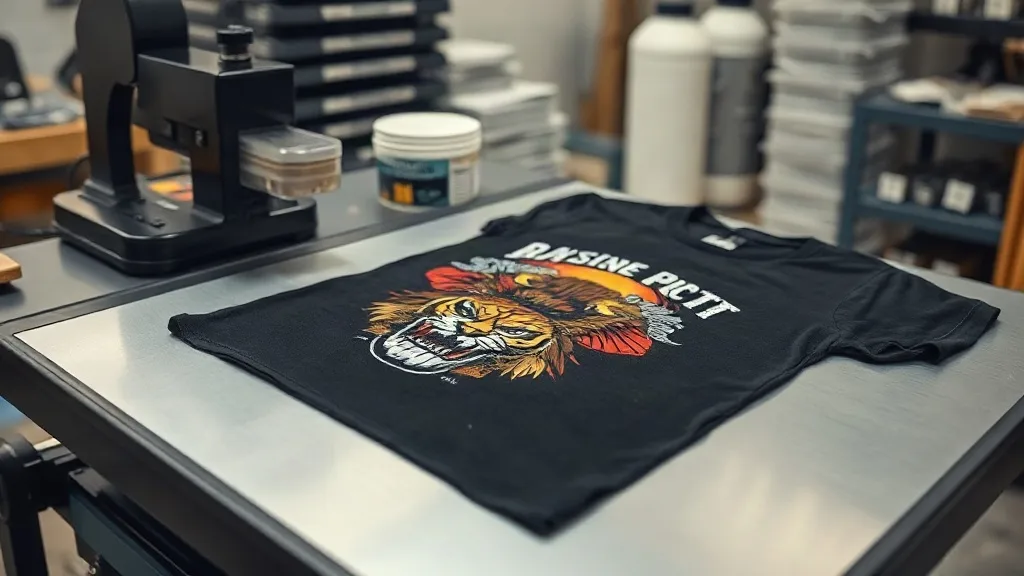
Custom apparel printing has evolved dramatically over the past decade, and DTF transfers have emerged as a game-changer for businesses and individuals alike. Whether you're a small print shop owner or a DIY enthusiast, understanding DTF technology can open up a world of possibilities for creating vibrant, durable designs on a wide range of fabrics. In this comprehensive guide, we'll explore everything you need to know about DTF transfers, from their benefits and applications to practical tips for getting started.
What Are DTF Transfers?
DTF stands for Direct-to-Film, a printing method where designs are printed onto a special film, then coated with adhesive powder and heat-pressed onto fabric. Unlike direct-to-garment (DTG) printing, which requires pretreatment and works best on cotton, DTF transfers can be applied to almost any fabric, including polyester, blends, and even dark colors. The process involves creating a digital print on film, applying a thermoplastic polyurethane (TPU) powder, and curing it to create a transfer that can be stored and used later. This flexibility makes DTF a favorite among print shops looking to offer custom apparel without the limitations of traditional methods.
Why Choose DTF Transfers?
DTF transfers offer several advantages that make them stand out in the custom apparel market. First, they provide excellent color vibrancy and detail, making them ideal for complex designs with gradients and fine lines. Second, they are incredibly versatile: you can apply them to cotton, polyester, silk, denim, and more, without worrying about fabric composition. Third, DTF transfers are cost-effective for small to medium runs, as they eliminate the need for screens or plates. Additionally, the transfers can be stored for extended periods, allowing you to print on demand and reduce waste. For businesses, this means faster turnaround times and the ability to take on a variety of orders without investing in multiple printing technologies.
Fabric Versatility
One of the biggest pain points in apparel printing is fabric compatibility. DTF transfers solve this by adhering to a wide range of materials. Whether you're printing on 100% cotton t-shirts, polyester sportswear, or even canvas bags, DTF transfers deliver consistent results. This versatility is particularly valuable for shops that cater to diverse customer needs, from sports teams to corporate clients.
Cost-Effective for Small Businesses
For small print shops, investing in multiple printing methods can be prohibitively expensive. DTF transfers require a relatively low upfront investment: a printer, film, powder, and a heat press. Once set up, the cost per print is competitive, especially for short runs. There's no need for minimum order quantities, and you can easily adjust designs without incurring setup fees. This makes DTF an accessible entry point for entrepreneurs looking to start a custom apparel business.
How DTF Transfers Work
The DTF process can be broken down into three main steps: printing, powdering, and pressing. Understanding each step is crucial for achieving professional results.
Step 1: Printing the Design
Using a DTF printer, your design is printed onto a special PET film. The printer uses pigment-based inks that are vibrant and durable. It's important to use high-quality film and inks to ensure the best transfer. The design is printed in reverse (mirrored) so that when transferred, it reads correctly.
Step 2: Applying Adhesive Powder
While the ink is still wet, a TPU adhesive powder is applied evenly over the design. The excess powder is shaken off, and the film is then heated to melt the powder, creating a adhesive layer that will bond to the fabric. This step requires careful temperature control to avoid clumping or under-curing.
Step 3: Heat Pressing
The prepared film is placed on the fabric and pressed with a heat press at a specific temperature and pressure for a set time. Once cooled, the film is peeled away, leaving the design bonded to the fabric. The result is a soft, stretchable print that withstands washing and wear.
Applications of DTF Transfers
DTF transfers are used across a multitude of industries and applications. From custom t-shirts for events and promotions to personalized gifts and corporate uniforms, the possibilities are endless. Sports teams love DTF for its ability to produce vibrant team logos on jerseys, while fashion designers use it for small-batch production of unique pieces. Even home-based crafters can leverage DTF to create custom items for sale on platforms like Etsy.
Choosing the Right DTF Transfers Near Me
If you're looking to incorporate DTF into your business, finding a reliable supplier is key. When searching for DTF transfers near me, consider factors such as print quality, turnaround time, and customer service. Many suppliers offer online ordering with nationwide shipping, so you're not limited by geography. Look for suppliers that provide detailed instructions and support to help you achieve optimal results. Reading reviews and requesting samples can also help you make an informed decision.
Tips for Successful DTF Printing
To get the most out of your DTF transfers, follow these best practices:
- Preheat your fabric: This removes moisture and wrinkles, ensuring better adhesion.
- Use the right press settings: Temperature, pressure, and time vary by fabric and transfer type. Always follow the supplier's recommendations.
- Cool before peeling: Wait a few seconds after pressing before peeling the film for a clean release.
- Store transfers properly: Keep unused transfers in a cool, dry place away from direct sunlight.
- Test on scraps: Before pressing a final product, do a test press on a scrap of the same fabric to dial in settings.
Common Mistakes to Avoid
Even experienced printers can run into issues with DTF. Here are some common pitfalls and how to avoid them:
- Insufficient pressure: Leads to poor adhesion and fading after washing. Ensure your press is calibrated.
- Over-pressing: Can cause the design to crack or the fabric to scorch. Stick to recommended settings.
- Using low-quality powder: Cheaper powders may not melt evenly, resulting in clumpy transfers. Invest in reputable supplies.
- Ignoring fabric type: Some fabrics require lower temperatures. Always test.
Frequently Asked Questions
What fabrics can I use with DTF transfers?
DTF transfers work on a wide range of fabrics, including cotton, polyester, blends, silk, denim, and even leather. They are particularly effective on dark and light colors alike.
How long do DTF transfers last?
When applied correctly, DTF transfers can last as long as the garment itself, withstanding multiple washes without cracking or fading. Proper care and washing inside out will extend the life of the print.
Can I use DTF transfers for small orders?
Absolutely. DTF is ideal for small batches and one-off items because there are no minimum order requirements or setup costs. You can print as few or as many as you need.
Do I need a special printer for DTF?
Yes, DTF requires a dedicated DTF printer that uses pigment inks and can handle the film. However, you can also buy pre-printed transfers from suppliers if you prefer not to invest in a printer.
How do I find DTF transfers near me?
Search online for local suppliers or check with printing industry directories. Many suppliers offer online ordering with fast shipping, so you can access quality transfers regardless of your location.