
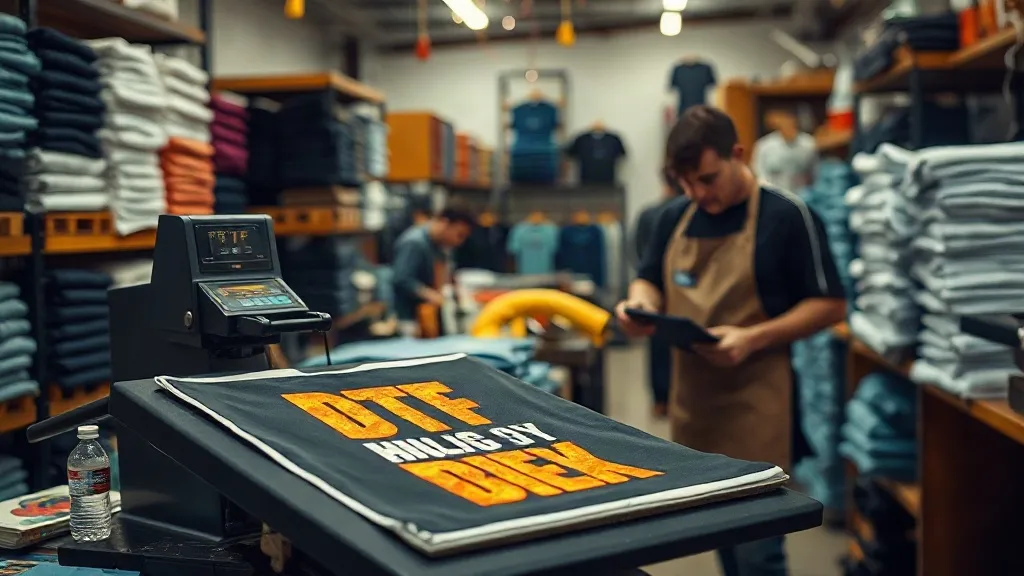
The week before Thanksgiving, a print shop owner I know got a call from a local brewery. They needed 300 hoodies with a custom logo, delivered in five days. She had two presses running, a backlog of online orders, and a part-time helper who had just called in sick. That order could have been a disaster. Instead, it became her most profitable job of the year, thanks to a stack of dtf transfers she had ordered weeks earlier. The lesson? Seasonal rushes are won or lost long before the phone starts ringing.
If you run a custom apparel business, you already know the pattern. Orders spike around holidays, back-to-school, and local events. Your capacity doesn't. The shops that thrive during these windows aren't necessarily the biggest or the fastest. They're the ones that plan ahead, understand their materials, and price their work so that a busy week doesn't turn into a break-even month. This guide is about building that kind of operation, with dtf transfers as the backbone.
Why DTF Transfers Shine Under Pressure
Traditional screen printing is fantastic for large runs, but it demands setup time, screens, and a clean workspace for each color. When you're staring down a 300-piece order with a five-day deadline, that setup time can eat your entire window. DTF transfers flip the equation. You can order gangsheets in advance, store them flat, and press them onto garments as orders come in. No screens, no color mixing, no reclaiming. Just heat, pressure, and a few seconds per piece.
The real advantage is flexibility. A customer calls on Monday needing 20 shirts by Friday. With DTF, you can pull blanks from inventory, press the transfers, and have the order ready by Wednesday. That speed lets you say yes to jobs your competitors have to turn down. And during the rush, saying yes can be the difference between a loyal customer and a lost one.
Pre-Season Prep: The Moves That Save Your Sanity
Every shop owner I've talked to has a version of the same story: the order that almost broke them. The common thread is almost always a lack of preparation. Here's how to avoid being that story.
Build a Blank Inventory Buffer
You can't press transfers onto shirts you don't have. In the weeks before your busy season, stock up on the sizes and colors your customers ask for most. For most shops, that means a mix of black, white, navy, and gray tees in sizes S through 3XL. Keep a spreadsheet of what you have on hand and reorder when you hit your threshold. The last thing you want is to be waiting on a blank shipment while a customer is waiting on you.
Order Transfers in Gangsheets
Gangsheets let you pack multiple designs onto a single sheet, which cuts your per-transfer cost and reduces waste. During the rush, having a library of pre-printed gangsheets for your best-selling designs means you can press and ship without waiting for a custom order. Think of it as your emergency stash. When a last-minute order comes in, you're not scrambling to place a transfer order. You're pulling from your shelf.
Test Your Press and Your Process
Before the chaos hits, run a few test presses. Check your temperature, pressure, and dwell time. Make sure your peel method (hot, cold, or warm) matches the transfer type. A simple test can save you from a batch of failed prints when you're too busy to notice the problem. I keep a log of settings for each fabric type, and it's saved me more than once.
Pricing for the Rush: Protect Your Margins
Busy seasons are tempting for discounting. Resist that urge. Your time and materials are worth more when demand is high, not less. Instead of cutting prices, focus on pricing for profit. That means knowing your cost per transfer, your blank cost, your labor, and your overhead. Then add a healthy margin. If a customer pushes back, you can offer alternatives: a simpler design, a smaller order, or a longer timeline. But don't race to the bottom.
One shop owner I know uses a simple rule: rush orders get a 15% surcharge. Customers who need it fast pay for the privilege. That surcharge covers overtime, expedited shipping, and the stress of rearranging your schedule. Most customers understand. The ones who don't are usually the ones who cause the most headaches anyway.
Workflow Hacks for High-Volume Days
When orders are piling up, efficiency is everything. Here are a few tricks that have worked for shops I've visited.
- Batch similar jobs. Group orders by shirt color and transfer type. Press all the black shirts first, then the white ones. Changing settings less often means fewer mistakes and faster turnaround.
- Set up a dedicated pressing station. Keep your heat press, parchment paper, and cooling rack within arm's reach. A tidy station reduces motion waste and keeps you focused.
- Use a checklist for each order. It sounds basic, but a simple checklist (design, size, quantity, placement, packaging) prevents costly errors when you're moving fast.
- Train a backup. Even a part-time helper who knows how to press a shirt can double your output. Show them the basics before the rush, not during it.
These small changes add up. A shop that can press 50 shirts an hour instead of 30 can take on more orders without hiring more people.
When Customers Ask for dtf transfers near me
More and more customers are searching for local options. They want fast turnaround and the ability to talk to a real person. If you offer dtf transfers near me services, make sure your website and social profiles say so. Use location-specific keywords, post photos of your shop, and encourage happy customers to leave reviews. When someone searches for a local printer, you want to be the first name they see.
But being found is only half the battle. You also need to deliver. That means clear communication, realistic timelines, and consistent quality. A customer who finds you online and gets a great experience will come back. One who gets a rushed, sloppy job will tell everyone they know.
Quality Control That Scales
Speed is worthless if the prints peel off after one wash. During the rush, it's easy to let quality slip. Don't. Build a simple quality check into your process. After pressing, inspect each garment for wrinkles, bubbles, or incomplete adhesion. Do a quick stretch test on a sample from each batch. If something's off, stop and fix it before you ship.
I know a shop that keeps a light box near the press. Every shirt gets a quick look under the light before it's folded. It takes five seconds and catches problems that would otherwise turn into returns. That kind of discipline is what separates a professional operation from a hobbyist.
Turning Rush Customers into Repeat Customers
The busy season is a chance to make a lasting impression. A customer who gets a flawless order on a tight deadline is a customer who will remember you next time. Follow up after the order. Ask for feedback. Offer a small discount on their next order. Add them to your email list. These small touches build loyalty that lasts long after the rush is over.
And when the rush ends, take a breath. Review what worked and what didn't. Update your inventory, restock your gangsheets, and thank your team. The next busy season is only a few months away, and the shops that plan for it are the ones that come out ahead.
Frequently Asked Questions
How far in advance should I order DTF transfers for the holiday rush?
Ideally, place your bulk orders at least four to six weeks before your peak season. That gives you time to test the transfers, stock blanks, and build a buffer for last-minute requests. If you're ordering custom designs, add a week for proofing and shipping.
Can I use DTF transfers on the same fabrics as screen printing?
DTF transfers work on a wide range of fabrics, including cotton, polyester, blends, and even some synthetics. They're particularly good for hard-to-print materials like nylon and canvas. Always test a sample first to confirm adhesion and wash durability.
What's the best way to store DTF transfers during a busy season?
Keep them flat, dry, and away from direct sunlight. A clean drawer or a flat file works well. Avoid stacking heavy items on top, as creases can affect pressing. Label each sheet with the design name and date so you can find what you need quickly.
How do I price rush orders without losing customers?
Be transparent. Explain that rush orders require overtime and expedited shipping, and that a surcharge covers those costs. Offer alternatives like a slightly longer timeline or a simpler design if the customer is budget-conscious. Most people appreciate honesty and will pay for speed when they need it.
What should I do if a transfer fails during the rush?
Don't panic. Isolate the problem: check your press settings, the fabric, and the transfer itself. If it's a batch issue, contact your supplier immediately. Keep a few spare transfers on hand for emergencies, and always have a backup plan for your most popular designs.