
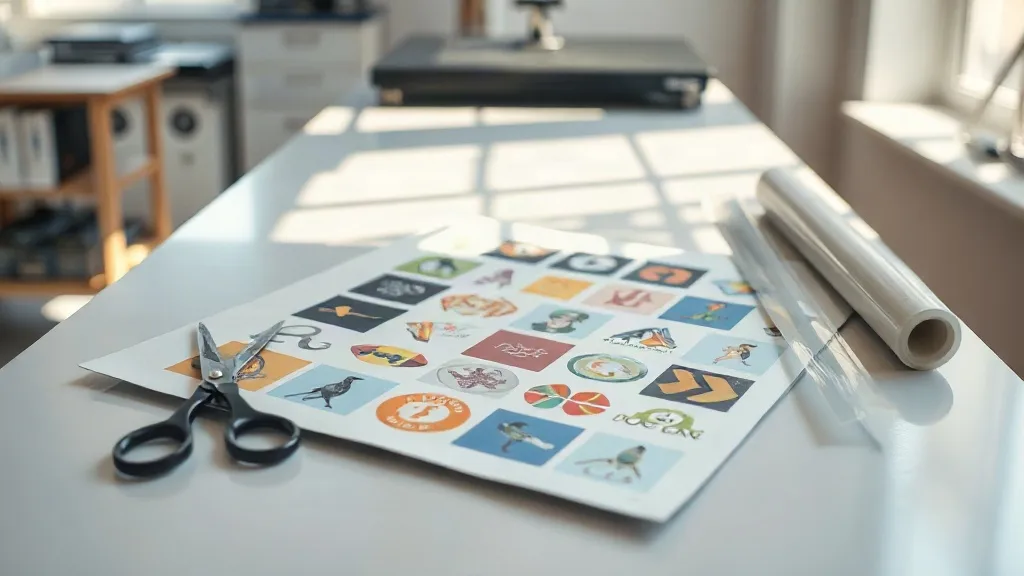
Walk into most small print shops and you will see the same scene: a half-used roll of DTF film curling at the edges, a pile of trimmed scraps on the worktable, and a shirt order that took three separate print runs because nobody planned the layout. The equipment works. The designs are good. What is missing is a smarter way to organize the film before the printer even starts. That is where the DTF Gangsheet earns its keep, and it matters far more to a two-person operation than most owners realize.
What a DTF Gangsheet Actually Does for a Small Shop
A DTF Gangsheet is a single file that packs multiple designs onto one continuous sheet of transfer film. Instead of sending one job at a time, you arrange every graphic for a production run across one wide canvas, print it in a single pass, and cut the pieces apart afterward. The concept is simple. The effect on a small shop's day is not.
Most owners first try gangsheets because someone told them it saves film. That is true, but it undersells the real benefit. The bigger gain is rhythm. When you print one shirt design at a time, your printer sits idle between jobs while you load files, check colors, and wait for the platen to cool. A gangsheet compresses those gaps into one continuous run. You load once, print once, and spend the rest of the afternoon pressing instead of babysitting the machine.
The film math nobody wants to do
Film is one of those costs that hides in plain sight. A 13-inch by 19-inch sheet that carries a single small left-chest logo wastes most of its surface. Multiply that by twenty orders a week and you are paying for film you never use. A gangsheet forces you to see that waste before it hits the printer. When you place a chest logo next to a sleeve print next to a back design, the empty space disappears. Over a month, that recovered area is often the difference between a shop that breaks even and one that buys a second heat press.
Why powder and ink costs follow the same logic
Adhesive powder and white ink behave the same way as film. Every square inch you print consumes both, whether or not a customer paid for it. Gangsheets cut the number of print passes, and fewer passes mean less powder shaken across the shop floor and less ink laid down on jobs that did not need it. Shops that switch to gangsheets often notice the powder container lasting noticeably longer within the first month, which is a quiet but welcome signal that the workflow changed for the better.
Building Your First Gangsheet Without Wasting a Roll
The temptation with any new tool is to fill it to the edges on the first try. Resist that. A gangsheet that is packed too tightly creates cutting problems, registration errors, and a stressful afternoon. A gangsheet that is planned well runs like clockwork.
Start with a realistic width, not the maximum
Your printer has a maximum film width, but your comfortable working width is usually narrower. If your cutter, your table, or your trimming routine struggles past a certain size, build the gangsheet to that limit. A 22-inch sheet you can handle confidently beats a 24-inch sheet that fights you every time. Consistency in width also makes it easier to standardize film ordering and storage.
Group designs by production purpose
The best gangsheets are not random collections. Group designs by what they are for: a batch of left-chest logos for a corporate order, a set of back prints for a team, a run of small sleeve tags for a retail drop. When similar jobs share a sheet, the pressing stage becomes a single focused session instead of a scattered shuffle. This is also where mistakes get caught early, because a mismatched color or a flipped logo is obvious when it sits next to its siblings.
Leave breathing room for the cutter
A common beginner error is placing designs so close together that the trim line has nowhere to go. Leave a consistent margin between graphics, usually a quarter inch or more depending on your cutter. That margin is not wasted film. It is the buffer that keeps your cuts clean and your press operators from guessing where one transfer ends and the next begins.
How Gangsheets Change Your Pricing Conversation
Once a shop starts running gangsheets, something shifts in how the owner talks to customers. Instead of quoting per shirt in isolation, you begin to see the economics of a whole order. A customer who wants twelve shirts with three different designs used to be a logistical headache. With a gangsheet, those twelve shirts become one efficient print run, and you can price the job with confidence instead of padding it to cover uncertainty.
That confidence shows up in two places. First, your quotes get faster because you already know how the designs will fit together. Second, your margins get healthier because you are not quietly absorbing the cost of wasted film and extra passes. Customers rarely notice the mechanics, but they do notice when a shop delivers on time and at a fair price. That is the kind of reliability that turns a one-time order into a standing account.
Small-batch runs become viable
A shop without gangsheets often turns down small orders because the setup cost per design kills the profit. With a gangsheet, five shirts across four designs can share one sheet, which makes small-batch work worth taking. Those small orders are frequently the ones that grow into bigger ones, especially with local teams, schools, and small businesses that start with a sample run before committing to a full season.
Mistakes That Undermine a Good Gangsheet
Even a well-planned sheet can go sideways. The most common problems are not technical failures but small oversights that compound during production.
- Mixing fabrics that need different press settings on the same sheet without noting it, which leads to scorched transfers or undercured ones.
- Forgetting to mirror artwork where required, then discovering it only after the sheet is printed.
- Packing designs edge to edge and losing the trim margin, which forces hand-cutting and slows the whole run.
- Reusing an old gangsheet file without checking for outdated logos or color changes.
- Printing a full sheet before confirming that the customer approved the layout.
None of these are hard to prevent. A simple checklist taped near the printer, covering mirroring, margins, fabric grouping, and approval status, catches most of them before a single drop of ink is spent.
Where to Start This Week
You do not need new equipment to adopt gangsheets. You need one quiet hour to plan your next production run on a single canvas instead of one file at a time. Pick a batch of orders you already have, arrange them together, and watch how the print pass, the powder use, and the pressing time change. Most shop owners find the answer is obvious within the first run. From there, the habit builds on itself, and the film roll that used to disappear in two weeks starts lasting a good deal longer.
Frequently Asked Questions About DTF Gangsheets
Can a DTF Gangsheet include designs for different fabric colors?
Yes, and it is one of the practical advantages. White ink and adhesive powder behave the same regardless of the garment color underneath, so a single sheet can carry transfers destined for black, white, and colored blanks. The only thing to track is the pressing temperature of each fabric, since cotton, blends, and polyester may need slightly different settings. Grouping by fabric type within the sheet keeps the pressing stage organized.
How much film does a gangsheet actually save?
The savings depend on how tightly your designs pack, but most shops recover a meaningful share of the film that single-design sheets leave empty. A chest logo that once occupied a full sheet can share space with several other graphics. Over a week of orders, that recovered area adds up to fewer rolls purchased and less waste heading to the bin.
Is a gangsheet worth it for a shop that only prints a few orders a day?
Small volume shops often benefit the most, because their time is the scarcest resource. A gangsheet reduces the number of print passes and the number of times someone has to load film, check settings, and wait. For a two-person operation, that recovered time is often worth more than the film savings.
What file format works best for building a gangsheet?
Most shops build gangsheets in design software that supports precise placement and vector output, then export at a resolution high enough for crisp edges. The key is to keep artwork at final print size and to confirm the sheet dimensions match your printer's supported film width before sending the file.
Do gangsheets affect transfer durability?
No. Durability comes from correct printing, proper powder application, and a well-calibrated press. A gangsheet changes how designs are arranged on film, not how each transfer is made. As long as the pressing settings match the fabric, transfers from a gangsheet hold up the same as those printed individually.