
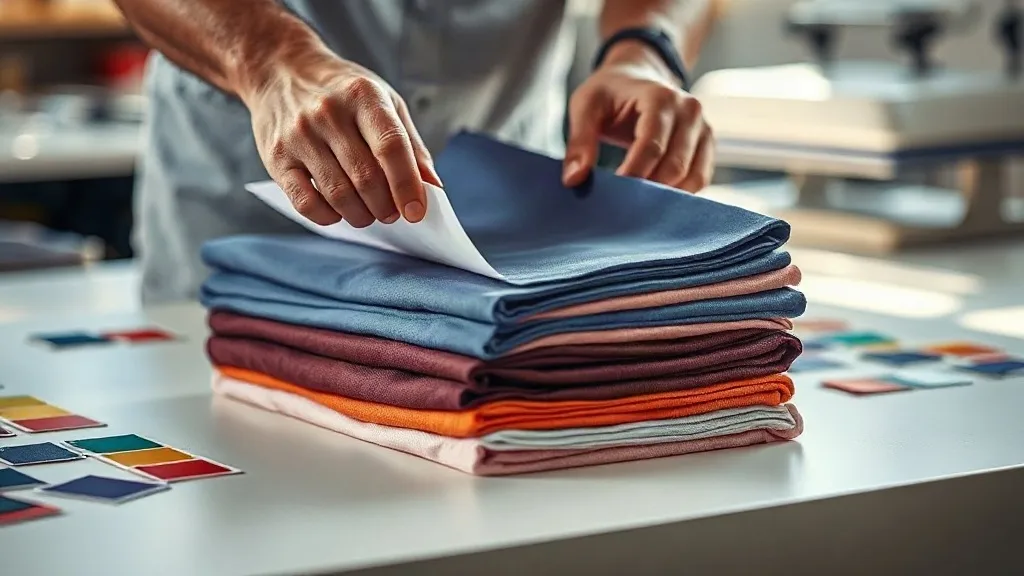
You have probably seen a DTF transfer look stunning on a cotton tee, only to watch it crack, fade, or peel on a polyester jersey a few washes later. The transfer itself was fine; the mismatch between the dtf transfers and the fabric was the problem. In a print shop, that kind of mismatch costs money, time, and repeat business. The good news is that with a little knowledge about how dtf films and powders interact with different materials, you can choose the right transfer for every job and deliver prints that last.
Why Fabric Matters More Than You Think
DTF printing works by jetting water-based inks onto a special film, dusting it with hot-melt adhesive powder, and curing it. When you press that film onto a garment, the adhesive bonds with the fabric fibers. But fibers are not all the same. Cotton is absorbent and has a rough surface that gives the adhesive plenty to grab onto. Polyester is smoother and can be heat-sensitive. Blends sit somewhere in between. Understanding these differences is the first step toward consistent results.
Cotton: The Easy Win
100% cotton is the most forgiving fabric for dtf printing. The adhesive powder melts into the cotton fibers and forms a strong mechanical bond. Prints on cotton tend to feel soft, stretch well, and survive dozens of wash cycles without cracking. If you are new to DTF, start with cotton tees to build confidence and dial in your press settings.
Polyester: Watch the Heat
Polyester is where many shops run into trouble. The fabric can be sensitive to high temperatures, and some dyes used in polyester can sublimate (turn into gas) when heated, causing discoloration. To avoid this, use lower pressing temperatures (around 280–300°F) and shorter dwell times. Also, choose a DTF film designed for low-temperature application. If you are printing on dark polyester, consider a white underbase to keep colors vibrant.
Blends: The Middle Ground
Cotton-poly blends like 50/50 are common and generally take DTF well. The cotton provides good adhesion, while the polyester adds durability. You may need to adjust pressure and temperature slightly compared to pure cotton. Always test on a sample garment before running a full batch.
Matching Transfer Types to Fabrics
Not all DTF transfers are created equal. Some films are thicker and produce a raised, plasticky feel; others are thin and soft. The adhesive powder also varies in particle size and melt point. For lightweight fabrics like performance wear, choose a thin film and fine powder to avoid a heavy hand. For heavy fabrics like canvas or denim, a thicker film with a more aggressive adhesive can provide better durability. If you are unsure, ask your supplier for recommendations based on the fabric you are using.
Specialty Fabrics: Nylon, Silk, and More
Nylon and silk can be tricky because they are smooth and heat-sensitive. Use a low-temperature DTF film and press with light pressure. Pre-pressing the garment to remove moisture is crucial, as trapped moisture can cause the transfer to bubble or peel. For silk, consider a very thin film to preserve the fabric's drape. Always do a wash test before selling any garment with a specialty fabric.
Press Settings That Make the Difference
Even the right transfer can fail if your press settings are off. Here are some guidelines to get you started, but always follow the transfer supplier's instructions and adjust for your specific equipment.
- Temperature: 300–320°F for cotton, 280–300°F for polyester and blends.
- Pressure: Medium to firm, enough to press the transfer into the fabric without crushing it.
- Time: 10–15 seconds for the transfer, plus a few seconds for pre-pressing the garment.
- Peel: Most DTF transfers are cold peel, but check your film's spec. Peeling hot can distort the print.
Invest in a quality heat press with consistent temperature and pressure. A cheap press with hot spots will cause uneven curing and premature failure.
Testing: Your Best Insurance Policy
Before you commit a full gangsheet to a new fabric, run a test print. Press a small transfer onto a scrap piece of the garment, then wash it according to the care instructions (usually inside out, cold water, tumble low). Check for cracking, peeling, or color fading. A simple wash test can save you from a costly reprint and a unhappy customer. Keep a log of fabrics, transfer types, and press settings that worked well so you can repeat success.
Common Mistakes to Avoid
Even experienced shops slip up. Here are a few pitfalls to watch for:
- Using too much pressure on polyester, which can cause the fabric to shine or melt.
- Forgetting to pre-press the garment to remove wrinkles and moisture.
- Pressing on seams or zippers, which can damage the transfer and the press.
- Storing transfers in humid conditions, which can affect the adhesive powder.
Small details add up to big differences in quality.
Frequently Asked Questions
Can I use DTF transfers on 100% polyester?
Yes, but you need to adjust your press settings. Use a lower temperature (around 280–300°F) and shorter dwell time to avoid dye migration and fabric damage. Also, choose a DTF film designed for low-temperature application.
How do I prevent cracking on stretchy fabrics?
Use a high-quality DTF film with good elasticity and ensure proper adhesive coverage. Press with enough pressure to embed the powder into the fibers, but avoid over-stretching the garment during pressing. A wash test will confirm if your settings are right.
What is the best way to store DTF transfers?
Store them in a cool, dry place away from direct sunlight. Keep them flat or roll them loosely to avoid creasing. Humidity can affect the adhesive powder, so consider using a dehumidifier in your storage area.
Do I need a special heat press for DTF?
Any heat press that can maintain consistent temperature and pressure will work. However, a press with a digital controller and even heating is recommended for professional results. Avoid using irons or clam presses with uneven pressure.
How long do DTF transfers last?
When applied correctly to the right fabric, DTF transfers can last 50+ washes. Proper care (washing inside out, cold water, no bleach) will extend the life of the print.